A blog where we dive into the depths of Hungarian poetry
Please note, that the phases of poetry that’s introduced, won’t be done in a chronological manner.
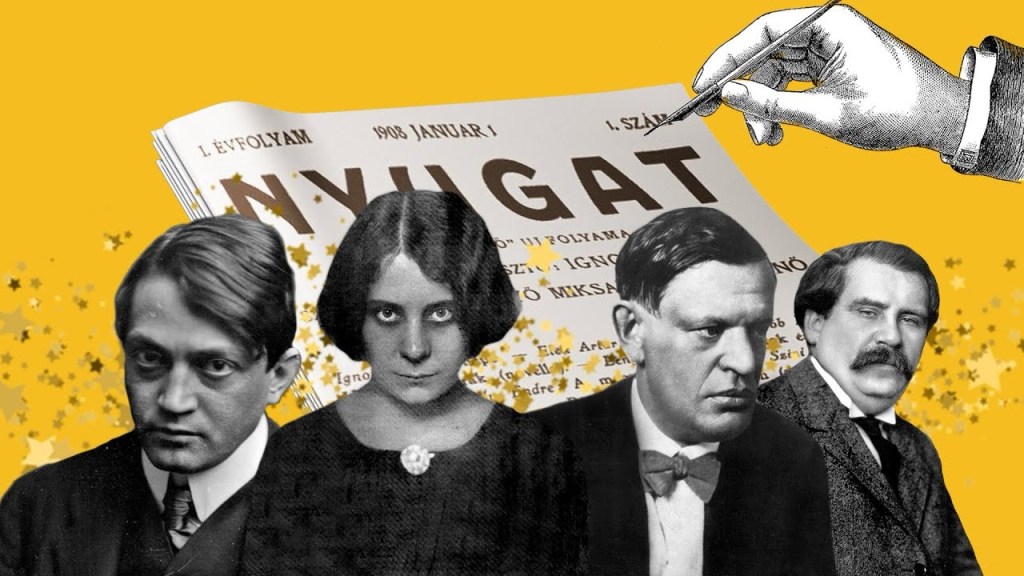
1st generation of Nyugat
The literary journal Nyugat was founded in 1908 by a group of like-minded writers and intellectuals. As its name (“West”) suggests, the editors and contributors of the journal intended to bring contemporary Western artistic and intellectual currents to the fore in Hungary.
Enlightenment in Hungary
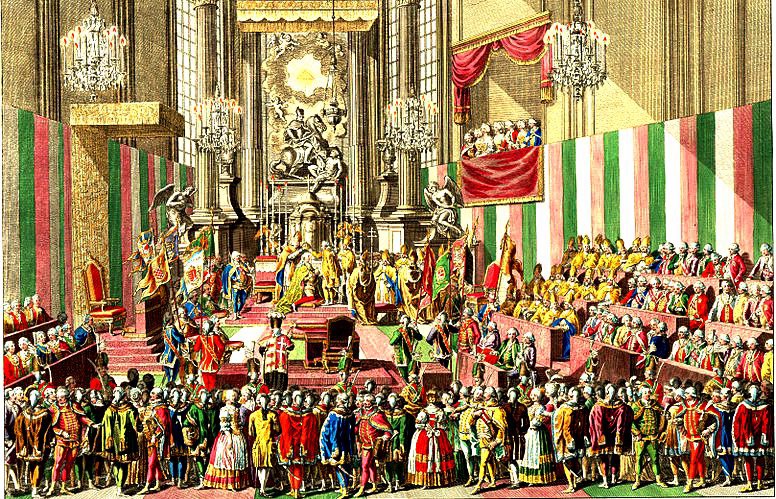
The Hungarian Enlightenment was more receptive to French and English ideas than it was productive of original developments. The period between about 1772 and 1825, though immensely important in the development of the Hungarian spirit, produced few writers of the first rank.

Renaissance and Reformation in Hungary
Renaissance literature flourished under the reign of King Matthias (1458–1490). Janus Pannonius, although he wrote in Latin, counts as one of the most important persons in Hungarian literature, being the only significant Hungarian humanist poet of the period.
Social significance of poetry in Hungary
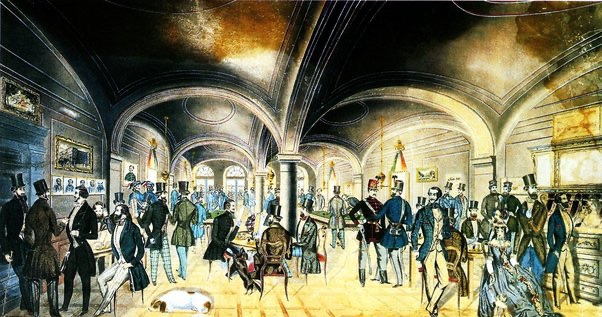
Poetry played a very important role in Hungarian cultural (and political) life from the early 19th century up until the communist era. For instance, the Hungarian language renewal was initiated and carried out by poets, most notably Ferenc Kazinczy. Other poets (such as Ferenc Kölcsey and Mihály Vörösmarty) greatly contributed to the rebirth of Hungarian nationalism in the first half of the 19th century. A group of young poets (called “Youths of March”) led by Sándor Petőfi started the 1848 Hungarian Revolution. These poets wrote the demands of the revolution in 12 points, then on 15 March 1848 they marched around the city of Pest, reading Sándor Petőfi’s “National Song” and the 12 points to the crowd.
 Site Title